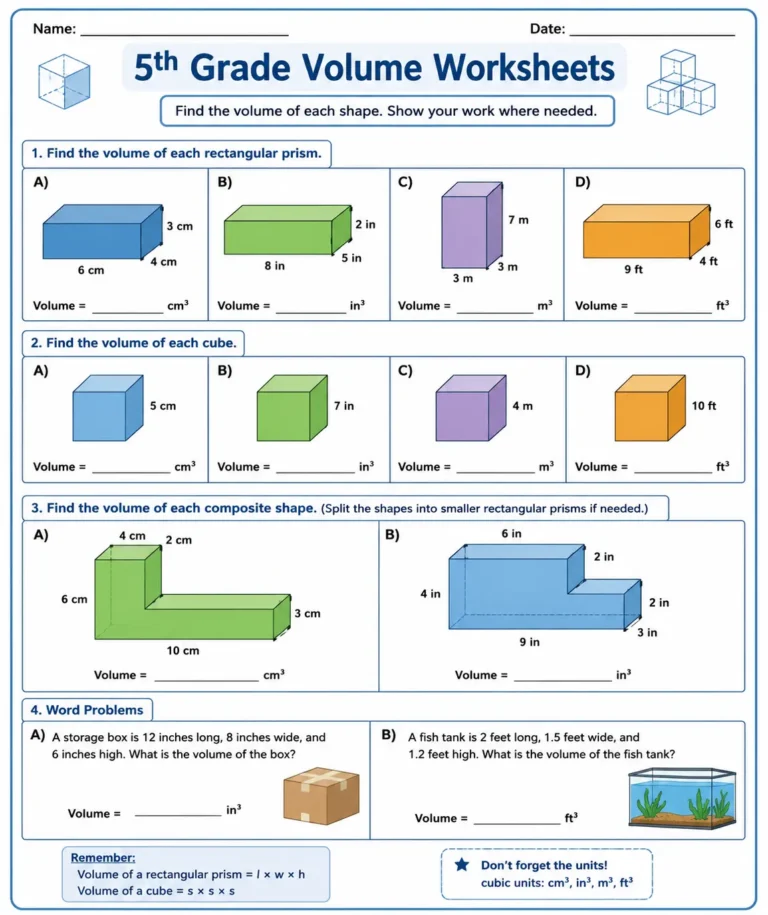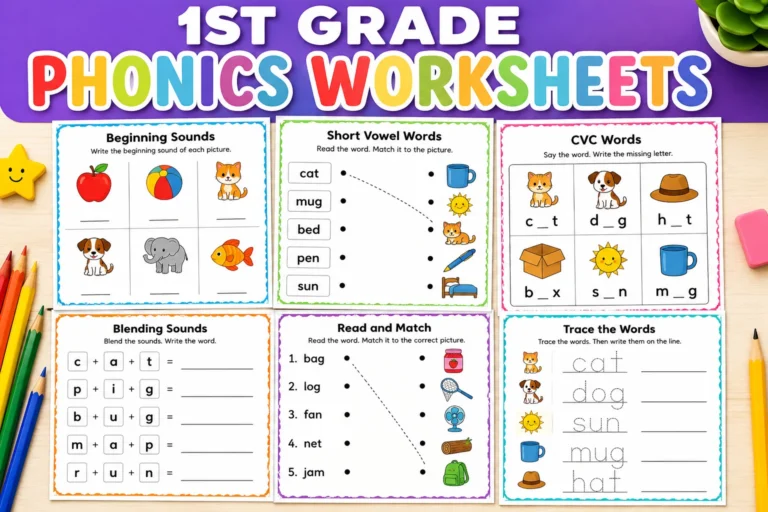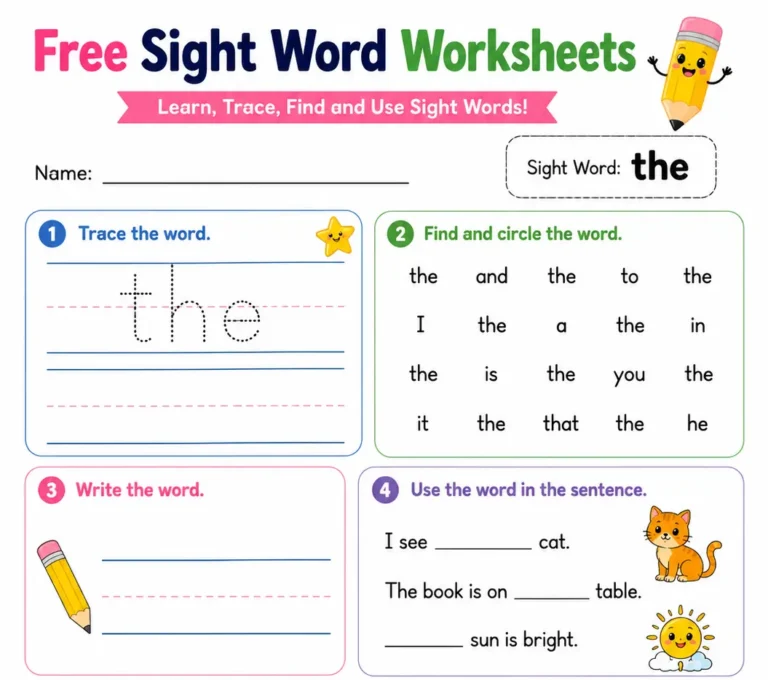
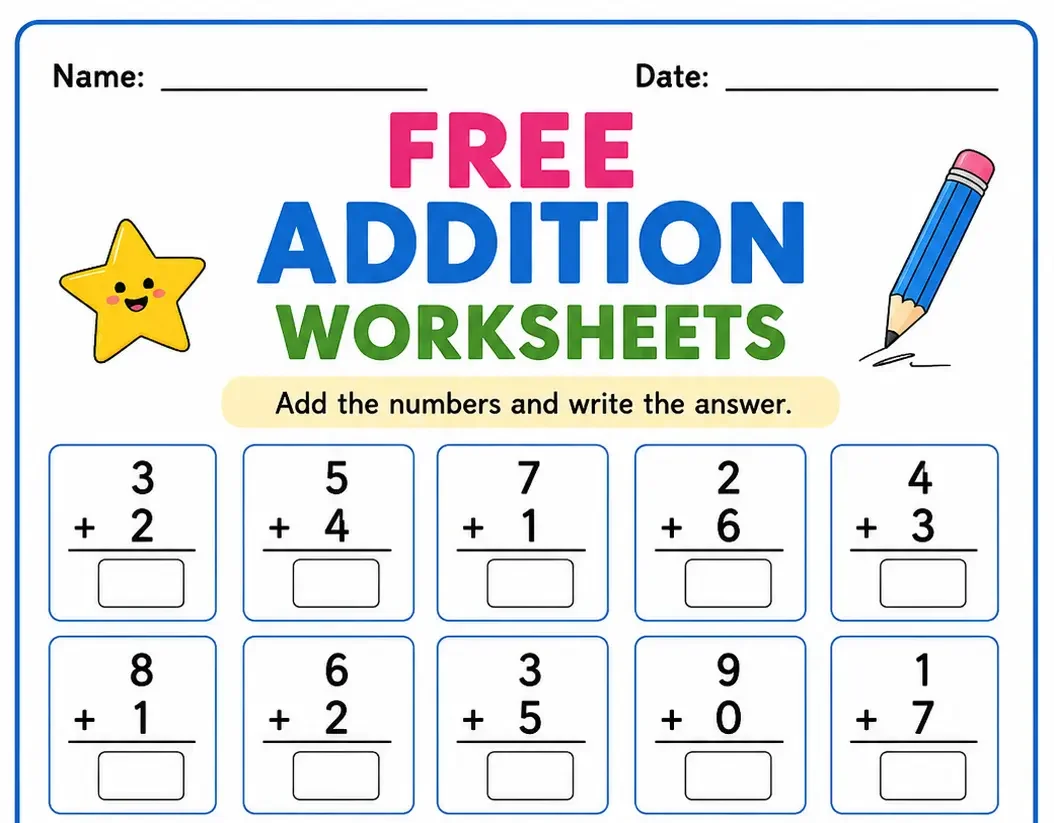
free Addition Worksheets: 10 Fun Ways to Help Kids Build Strong Math Skills
If you’re searching for free addition worksheets, you’re already taking a great step toward helping children become more confident with math. Addition is one of the first math skills kids learn, and like reading, it gets better with regular practice. The good news? Practice doesn’t have to feel boring.
A well-designed worksheet gives children a chance to build accuracy, improve number sense, and solve problems at their own pace. And honestly… even just 10 or 15 minutes a day can make a noticeable difference over time.
Whether you’re a parent teaching at home, a classroom teacher, or someone looking for extra math activities, this guide explains why free addition worksheets are so valuable and how to use them effectively.
Why Free Addition Worksheets Matter
Children learn addition best through repetition mixed with variety. They need opportunities to practice simple facts, recognize number patterns, and apply addition in different situations.
Free addition worksheets make this easy because they:
- Provide structured daily practice
- Improve mental math skills
- Build confidence with numbers
- Help identify learning gaps early
- Encourage independent learning
- Support classroom lessons and homework
And the best part? Since they’re free, you can print as many copies as you need without worrying about extra costs.
1. Start with Simple Single-Digit Addition
Every strong math foundation begins with the basics.
Young learners should first practice adding numbers from 0 to 9 before moving on to larger sums. Worksheets with clear layouts and plenty of space help children stay focused instead of feeling overwhelmed.
Simple worksheets often include:
- Number sentences
- Picture addition
- Counting objects
- Fill-in-the-blank exercises
These activities help kids understand what addition actually means—not just memorize answers.
2. Use Picture Addition for Early Learners
Pictures make math less intimidating.
Instead of asking children to solve “4 + 3,” worksheets can show four apples and three apples. Kids count everything together and discover the answer naturally.
Visual learning helps children:
- Understand quantity
- Develop counting skills
- Connect numbers with real objects
- Enjoy learning more
And honestly, colorful worksheets usually hold a child’s attention much longer than plain number drills.
3. Practice Addition Facts Every Day
Math facts become automatic through regular repetition.
A few minutes of practice each day works much better than one long study session every week. Daily worksheets reinforce learning without making children feel overloaded.
Popular practice includes:
- Addition to 10
- Addition to 20
- Missing addends
- Number bonds
- Fact families
Over time, children begin solving problems almost instantly.
That’s exactly the kind of confidence teachers love to see.
4. Introduce Two-Digit Addition Gradually
Once children master basic addition, it’s time to level up.
Two-digit addition worksheets introduce larger numbers while teaching place value at the same time. Start without regrouping before moving to carrying.
A gradual progression might look like this:
- Two-digit without regrouping
- Vertical addition
- Horizontal addition
- Mixed practice
- Two-digit with regrouping
Small steps often produce the biggest improvements.
5. Include Fun Themes and Seasonal Worksheets
Kids stay motivated when worksheets feel exciting.
Many free addition worksheets feature animals, holidays, dinosaurs, space, superheroes, or seasonal themes. Suddenly math doesn’t feel like homework anymore.
Popular themes include:
- Christmas addition
- Halloween math
- Easter worksheets
- Summer activities
- Ocean animals
- Farm math
- Space adventures
A little creativity can completely change a child’s attitude toward learning.
6. Try Word Problems to Build Real-Life Skills
Addition isn’t only about solving equations.
Word problems teach children how math works in everyday situations. They also improve reading comprehension and logical thinking.
Examples include:
- Shopping totals
- Counting toys
- Adding classroom supplies
- Sports scores
- Birthday party activities
These worksheets encourage children to think before solving.
Sometimes that’s the most valuable lesson of all.
7. Mix Easy and Challenging Questions
Children lose interest if every worksheet feels exactly the same.
The best free addition worksheets include a healthy balance of:
- Easy warm-up questions
- Medium-level practice
- Challenge problems
- Review exercises
- Bonus puzzles
This variety keeps learning interesting while gradually increasing difficulty.
And yes… a few tricky questions are perfectly okay. They encourage problem-solving instead of memorization.
8. Use Timed Addition Worksheets Carefully
Speed matters—but accuracy comes first.
Timed worksheets can help children improve fluency after they’ve already learned the concepts. Keep sessions short and encouraging.
Some ideas include:
- One-minute challenges
- Two-minute fact races
- Weekly improvement charts
- Friendly classroom competitions
The goal isn’t perfection.
It’s helping kids become more comfortable working with numbers.
9. Print Worksheets for Home and School
One of the biggest advantages of free addition worksheets is flexibility.
Teachers can use them for:
- Morning work
- Homework
- Math centers
- Small group instruction
- Independent practice
- Assessments
Parents can print worksheets for:
- Weekend review
- Summer learning
- Holiday practice
- Homeschool lessons
- Extra tutoring
Since they’re printable, it’s easy to build a personalized learning plan.
10. Celebrate Progress Along the Way
Children learn faster when they feel successful.
Don’t wait until every answer is perfect before offering praise. Celebrate improvements like:
- Finishing a worksheet independently
- Solving more questions correctly
- Working more carefully
- Showing better confidence
- Completing daily practice
Positive encouragement builds motivation.
And motivated learners usually improve much faster.
Tips for Choosing the Best Free Addition Worksheets
Not every worksheet is equally effective.
When selecting printable math activities, look for worksheets that offer:
- Clear instructions
- Large, readable numbers
- Age-appropriate difficulty
- Plenty of practice questions
- Fun illustrations for younger learners
- Answer keys when possible
- Printable PDF format
- Progressive skill levels
Quality matters just as much as quantity.
A thoughtful worksheet often teaches more than pages filled with random problems.
Common Mistakes to Avoid
Parents and teachers sometimes move too quickly through addition practice.
Try to avoid these common mistakes:
- Skipping basic addition facts
- Giving worksheets that are too difficult
- Focusing only on speed
- Practicing too long without breaks
- Ignoring word problems
- Using the same worksheet style every day
Mixing different activities keeps learning fresh and prevents frustration.
Final Thoughts
Finding free addition worksheets is one of the easiest ways to support a child’s math journey. With consistent practice, engaging activities, and a little encouragement, children gradually develop stronger addition skills that prepare them for subtraction, multiplication, division, and more advanced math later on.
Remember, progress doesn’t happen overnight. Some days will feel easy, while others may be a little more challenging—and that’s completely normal. What matters most is creating a positive learning routine where children feel comfortable making mistakes, asking questions, and celebrating every improvement.
Choose worksheets that match your child’s current ability, introduce new challenges gradually, and keep learning enjoyable. Over time, those small daily practice sessions add up to something much bigger: confidence, stronger number sense, and a lasting love for learning math.