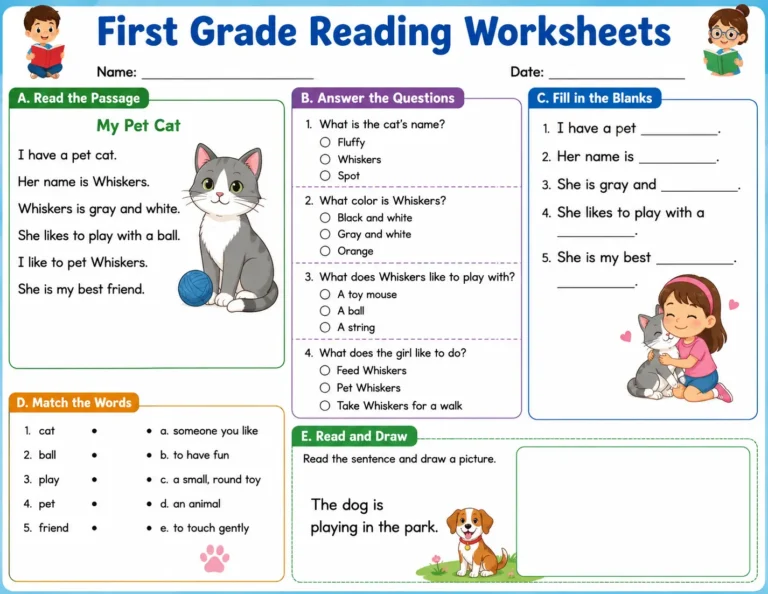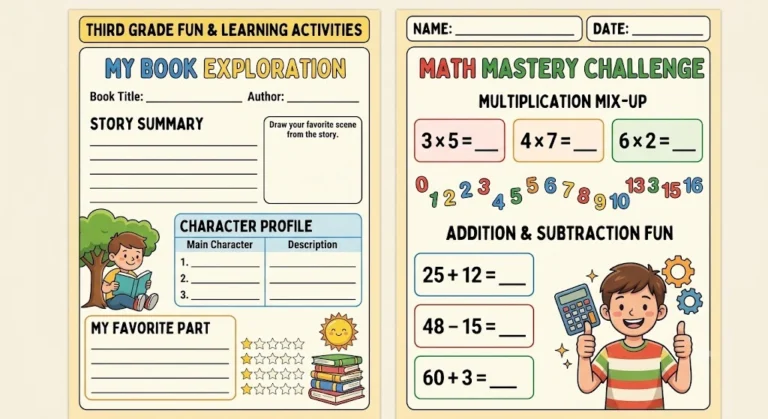
Fun and Easy 3rd Grade Comprehension Worksheets for Daily Practice
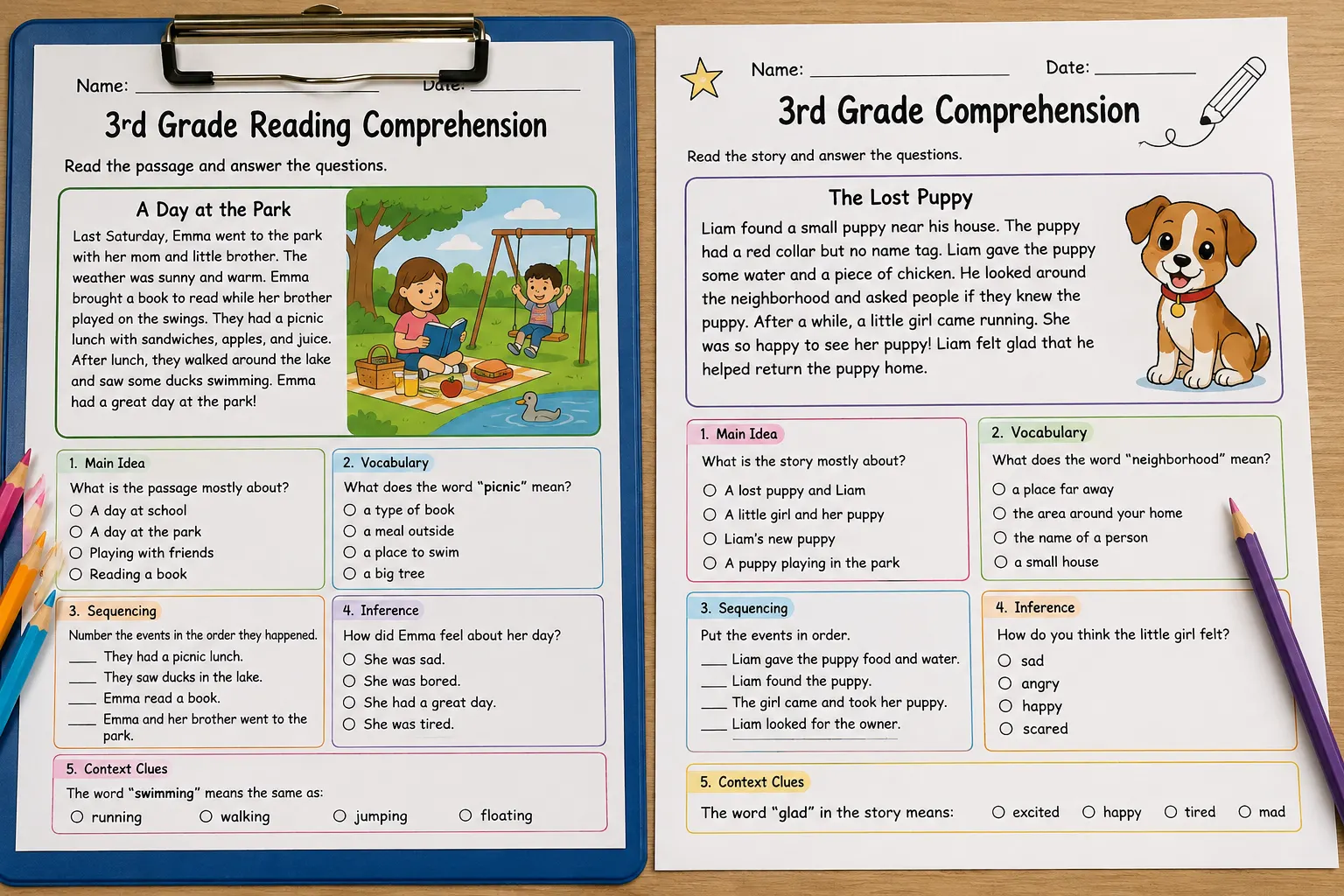
Reading doesn’t become easier overnight… it grows little by little with the right practice. 3rd grade comprehension worksheets give children an enjoyable way to strengthen reading comprehension while exploring fun reading passages that match their learning level.
Instead of simply reading words, students learn to understand the main idea, answer questions, and think about the story or informational text they’ve just finished. Those small improvements add up with regular practice.
Many parents, teachers, and homeschool families choose these worksheets because they’re easy to fit into a daily learning routine. A short reading session can be enough to build confidence without making children feel overwhelmed.
Most resources are available as a printable PDF, so they’re quick to download and use at home or in the classroom. With the right worksheets, Grade 3 students can enjoy reading, build stronger comprehension skills, and become more confident readers one passage at a time.
| Feature | Details |
|---|---|
| Best For | Grade 3 Students (Ages 8–9) |
| Format | Printable PDF & Digital Worksheets |
| Skills Covered | Main Idea, Vocabulary, Inference, Sequencing, Context Clues & Reading Fluency |
| Reading Types | Fiction, Nonfiction & Informational Text |
| Suitable For | Parents, Teachers, Homeschool Families & Classroom Learning |
| Practice Time | 15–20 Minutes a Day |
| Worksheet Features | Reading Passages, Comprehension Questions & Answer Keys |
| Singapore Equivalent | Primary 3 English (P3) |
What Are 3rd Grade Comprehension Worksheets?
3rd grade comprehension worksheets are designed to help children build stronger reading comprehension skills through fun reading passages and simple comprehension questions. Instead of just reading a story, students learn to understand the main idea, remember important details, and explain what they’ve read.
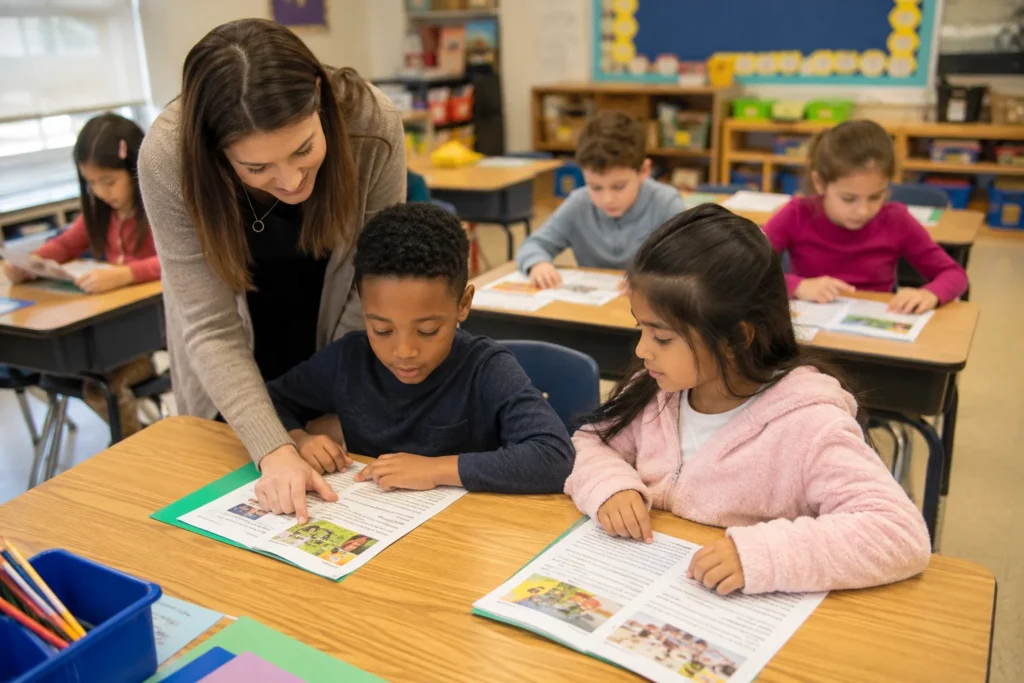
Most worksheets include fiction, nonfiction, or informational texts, along with vocabulary activities and answer keys. Many are available as a printable PDF, making them perfect for both home and classroom learning.
Why Reading Comprehension Is Important in Grade 3
Grade 3 is an exciting stage because children begin moving from learning to read to reading to learn. They start understanding longer passages, finding the main idea, making inferences, and answering questions with more confidence.
A little reading practice each day can improve vocabulary, reading fluency, and thinking skills. Small steps… but they make a big difference over time.
Who Can Use These Worksheets?
These worksheets fit into almost any learning routine.
- Parents can use them for extra reading practice at home.
- Teachers can include them in classroom lessons and reading activities.
- Homeschoolers can make them part of their daily English learning schedule.
- Primary 3 students in Singapore can also benefit, as Primary 3 is similar to Grade 3 in many English reading skills.
Benefits of Using 3rd Grade Comprehension Worksheets Every Day
Daily reading practice doesn’t have to feel like homework. Just 15–20 minutes with 3rd grade comprehension worksheets can help children become stronger, more confident readers while making learning feel natural and enjoyable.
Improves Reading Fluency
Reading regularly helps students read more smoothly without stopping at every difficult word. As their fluency improves, understanding longer passages also becomes much easier.
Builds Vocabulary
Every worksheet introduces useful words in a meaningful context instead of simple word lists. Children naturally remember new vocabulary and begin using it in speaking and writing.
Develops Critical Thinking
Students learn to identify the main idea, make inferences, and connect different ideas in a passage. These skills help them answer comprehension questions with greater confidence.
Strengthens Reading Confidence
Completing worksheets on a regular basis makes reading feel less challenging and more enjoyable. Children become willing to read longer stories and try new reading activities.
Supports Independent Learning
These worksheets encourage students to practice on their own while building good study habits. They also give parents and teachers a simple way to monitor reading progress.
Essential Reading Skills Students Learn
Strong reading isn’t just about finishing a passage. 3rd grade comprehension worksheets help students develop important reading skills they can use in school and everyday learning. Each worksheet focuses on a different skill, allowing children to improve one step at a time.
| Reading Skill | What Students Learn |
| Main Idea | Understand what the passage is mostly about. |
| Supporting Details | Find facts that explain or support the main idea. |
| Context Clues | Figure out the meaning of unfamiliar words using nearby sentences. |
| Inference | Use clues from the passage to reach logical conclusions. |
| Cause and Effect | Understand why something happened and what happened because of it. |
| Sequencing | Arrange events in the correct order from beginning to end. |
| Character Traits | Describe a character’s personality using evidence from the text. |
| Compare and Contrast | Identify similarities and differences between ideas, characters, or events. |
Finding the Main Idea
Students learn to identify the central message of a passage instead of focusing on small details. This skill helps them understand stories and informational texts more easily.
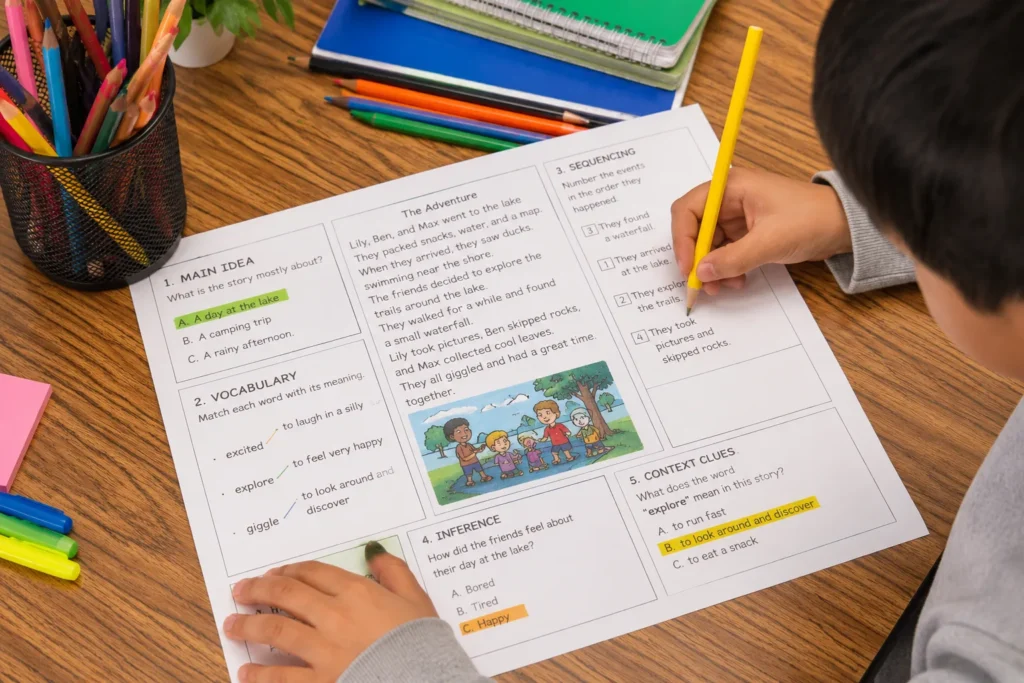
Identifying Supporting Details
Supporting details explain the main idea with facts, examples, or descriptions. Finding these details improves both reading comprehension and memory.
Using Context Clues
Children use nearby words and sentences to understand unfamiliar vocabulary without stopping to check a dictionary every time.
Making Inferences
Students combine clues from the passage with what they already know to understand ideas that aren’t directly stated.
Understanding Cause and Effect
This skill helps children recognize why events happen and what results from those actions, making stories easier to follow.
Sequencing Events
Students practice placing events in the correct order, helping them understand how a story or passage develops from beginning to end.
Character Traits
Children learn to describe a character’s actions, feelings, and personality using evidence from the reading passage.
Compare and Contrast
Students identify similarities and differences between characters, settings, topics, or events, building stronger thinking and comprehension skills.
Types of 3rd Grade Comprehension Worksheets
The best 3rd grade comprehension worksheets come in different formats to keep children interested while improving their reading skills. Using different worksheet types also helps students become comfortable with stories, facts, and real-world topics.
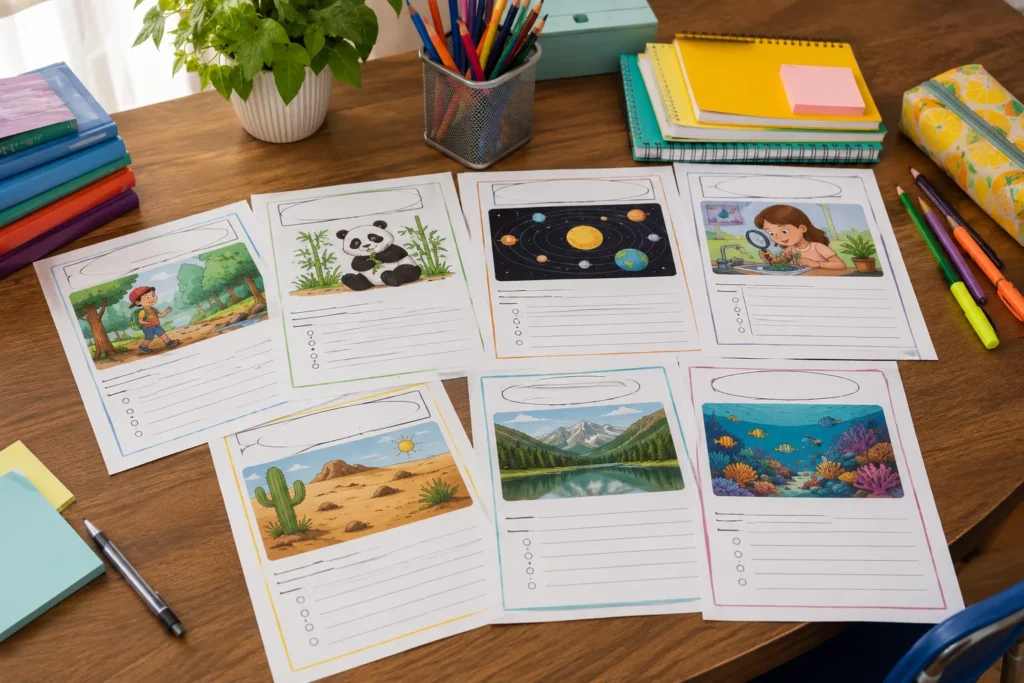
Fiction Reading Passages
Fiction worksheets include short stories that help students understand characters, settings, and story events while making reading enjoyable.
Nonfiction Reading Passages
These passages are based on real facts and teach children how to find key information and answer comprehension questions with confidence.
Informational Text Worksheets
Students read educational articles and practice identifying the main idea, supporting details, and important facts from the passage.
Science Reading Worksheets
Science-themed worksheets introduce topics like animals, plants, weather, and space while improving vocabulary and reading comprehension.
Seasonal & Holiday Reading Activities
Seasonal reading activities keep learning fresh with fun themes for different holidays and seasons, making daily reading practice more engaging.
How to Choose the Best Reading Comprehension Worksheets
Not every worksheet will suit every child, and that’s perfectly fine. The best 3rd grade comprehension worksheets are the ones that match a student’s reading ability, keep them interested, and help them build new skills without making reading feel difficult.
A good worksheet should be easy enough for children to understand but still offer a small challenge. Topics also matter. Many students enjoy reading about animals, space, nature, or real-life events, so choosing interesting reading passages can make practice much more enjoyable.
Instead of focusing only on correct answers, look for worksheets that improve skills like the main idea, context clues, vocabulary, and making inferences. These are the reading skills students use throughout Grade 3.
Finally, choosing a printable PDF makes learning more flexible. Parents can print worksheets for home practice, while teachers can quickly use them during classroom reading activities or homework sessions.
Tips for Parents and Teachers
Helping children become better readers doesn’t require hours of study every day. A few simple habits can make reading practice more enjoyable and help students stay motivated.
Create a Daily Reading Routine
Set aside 15–20 minutes each day for reading. A consistent routine helps children build confidence and improve their reading fluency over time.
Ask Open-Ended Questions
Instead of asking only “right or wrong” questions, encourage children to explain their answers. This helps strengthen reading comprehension and critical thinking.
Encourage Independent Reading
Give students time to read on their own before offering help. Solving small challenges independently builds confidence and stronger reading habits.
Review Vocabulary Together
Talk about unfamiliar words after each passage and use them in simple sentences. This makes new vocabulary easier to remember.
Celebrate Small Progress
Praise every improvement, even if it’s small. A little encouragement often motivates children to keep reading and practicing every day.
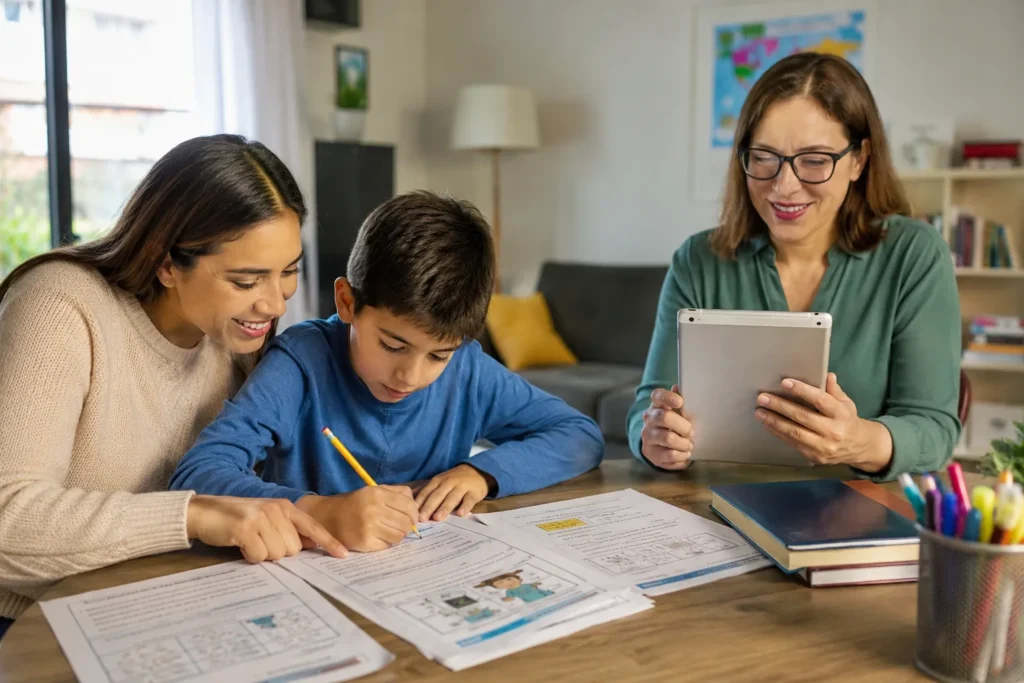
Common Mistakes to Avoid During Reading Practice
Small mistakes can slow a child’s reading progress, even when they’re practicing regularly. Avoiding these common habits makes reading practice more effective and enjoyable.
Choosing Difficult Passages
Reading passages that are too difficult can make children feel frustrated. Start with age-appropriate worksheets and gradually increase the difficulty.
Ignoring Vocabulary
Skipping unfamiliar words makes it harder to understand the passage. Spend a few minutes learning new words before moving to the questions.
Rushing Through Questions
Reading too quickly often leads to careless mistakes. Encourage students to think about each answer and look back at the passage when needed.
Skipping Daily Practice
Reading once in a while isn’t enough. Even 15–20 minutes of daily practice can help improve reading comprehension and build stronger reading habits over time.
Conclusion
Building strong reading skills takes time, and every small step counts. 3rd grade comprehension worksheets give students the chance to improve reading comprehension, grow their vocabulary, and become more confident with every passage they complete.
The best part? These worksheets are easy to use at home, in the classroom, or during homeschool lessons. A few minutes of regular reading practice can make a noticeable difference over time.
Download a few printable PDF worksheets, choose topics your child enjoys, and make reading a daily habit. Consistent practice today can help create confident, independent readers for the years ahead.
Frequently Asked Questions
1. What skills do 3rd grade comprehension worksheets improve?
3rd grade comprehension worksheets help children improve reading fluency, vocabulary, the main idea, and inference skills. Regular practice also makes it easier to understand and answer comprehension questions correctly.
2. How often should Grade 3 students practice reading comprehension?
Children should spend about 15–20 minutes on reading practice at least 4–5 days a week. Short daily sessions build stronger reading habits and improve comprehension over time.
3. Can parents use 3rd grade comprehension worksheets at home?
Yes, these worksheets are perfect for home learning and extra English practice after school. Parents can use them to strengthen reading skills without making study time feel overwhelming.
4. What should I look for in a good 3rd grade comprehension worksheet?
Choose worksheets with age-appropriate reading passages, clear comprehension questions, and engaging topics. A good worksheet should also build vocabulary, reading fluency, and critical thinking.
5. Are these worksheets suitable for Primary 3 students in Singapore?
Yes. Primary 3 students in Singapore can also use these worksheets because many English reading skills are similar to Grade 3. They are useful for extra reading practice, vocabulary building, and home revision.