Free Printable Tracing Worksheets: 10 Fun Ways to Build Early Writing Skills at Home
Helping young children learn to write doesn’t have to be complicated—or expensive. In fact, free printable tracing worksheets are one of the easiest ways to introduce letters, numbers, shapes, and simple words while keeping learning enjoyable.
Whether you’re a parent, teacher, or homeschool educator, printable tracing pages provide structured practice that builds confidence one line at a time. Kids naturally love tracing because it feels like a game. They’re following paths, completing pictures, and slowly turning scribbles into recognizable letters.
And honestly… that’s where the magic starts.
Let’s look at why tracing worksheets work so well and how you can use them to create fun learning moments every day.
1. Why Free Printable Tracing Worksheets Are So Effective
Tracing may seem simple, but it develops several foundational skills at once.
As children trace lines and letters, they’re strengthening the tiny muscles in their hands and fingers. These muscles are essential for writing, drawing, cutting, and many everyday activities.
Tracing also improves:
- Hand-eye coordination
- Pencil control
- Letter recognition
- Concentration
- Visual tracking
- Writing confidence
Instead of asking children to write letters from memory, tracing gives them a guide. That small bit of support makes a huge difference.
2. Start with Simple Line Tracing
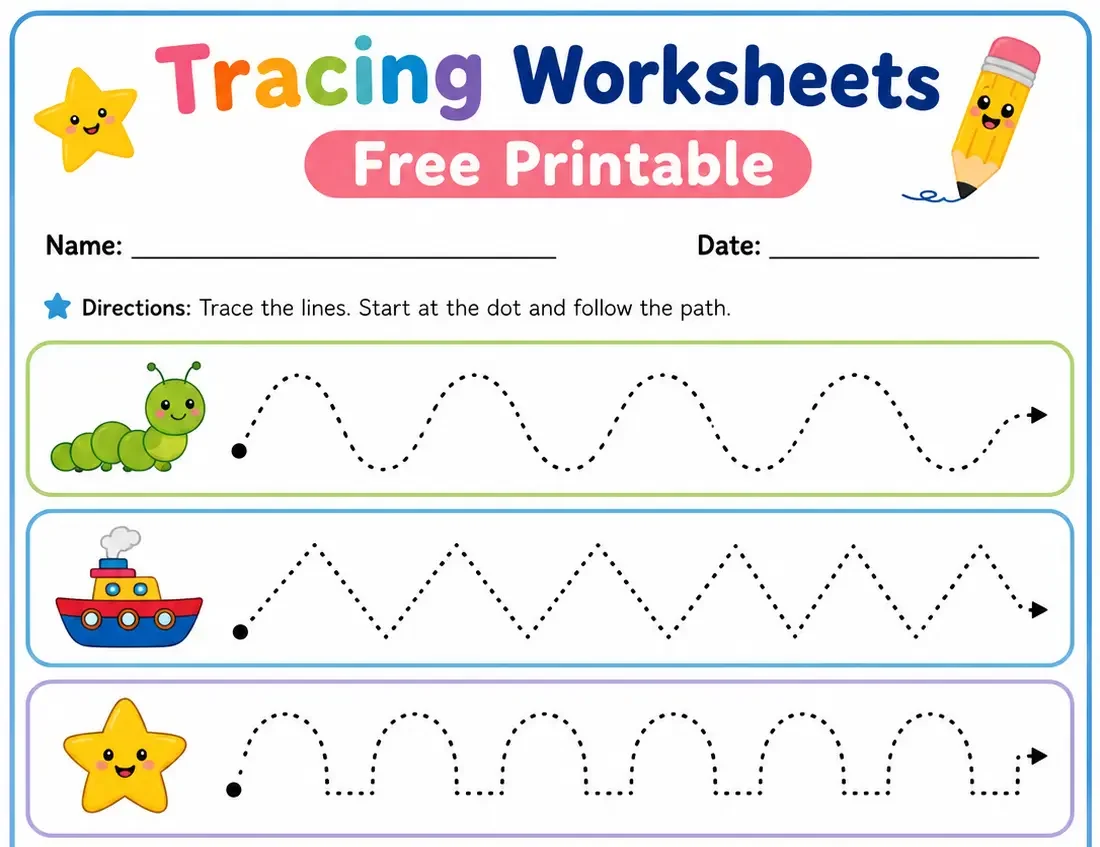
Before children begin tracing letters, it’s helpful to practice basic lines.
Line tracing worksheets introduce movements that appear later in handwriting.
Examples include:
- Straight lines
- Zigzag lines
- Curved lines
- Loops
- Waves
- Diagonal lines
- Spirals
These activities strengthen pencil control without overwhelming beginners.
And kids usually don’t even realize they’re practicing important skills.
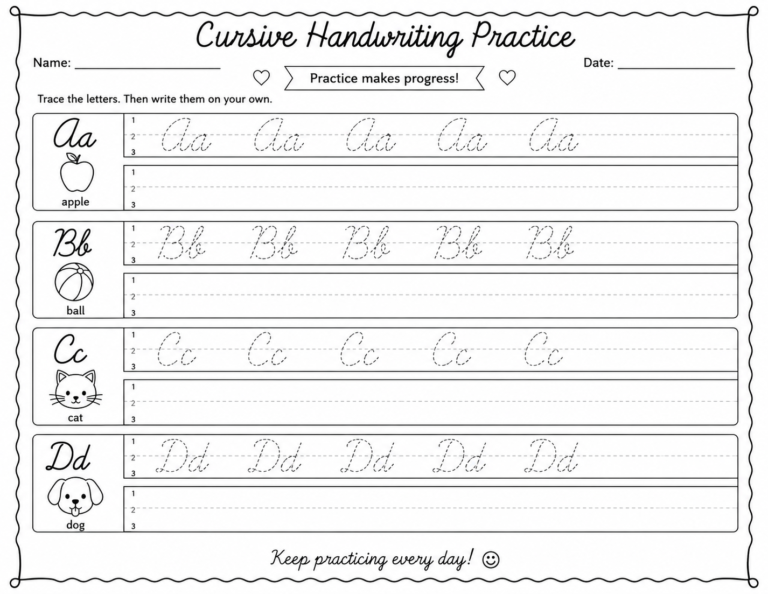
3. Letter Tracing Worksheets Build Alphabet Recognition
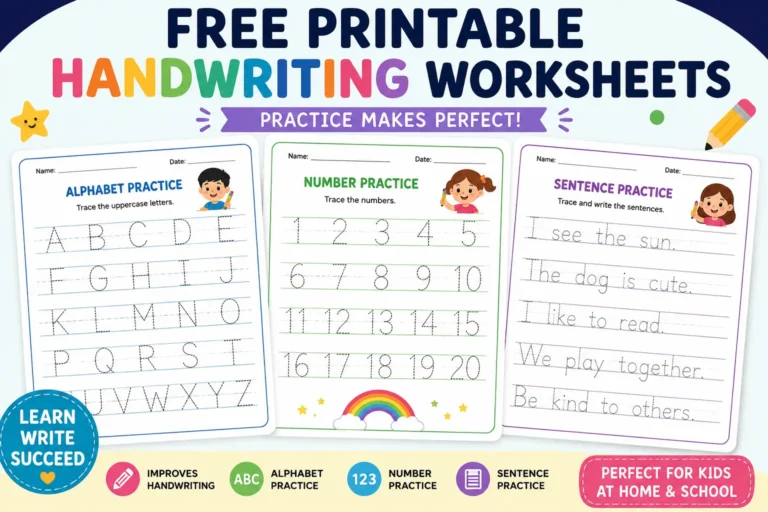
One of the most popular types of free printable tracing worksheets focuses on the alphabet.
Children can trace:
- Uppercase letters
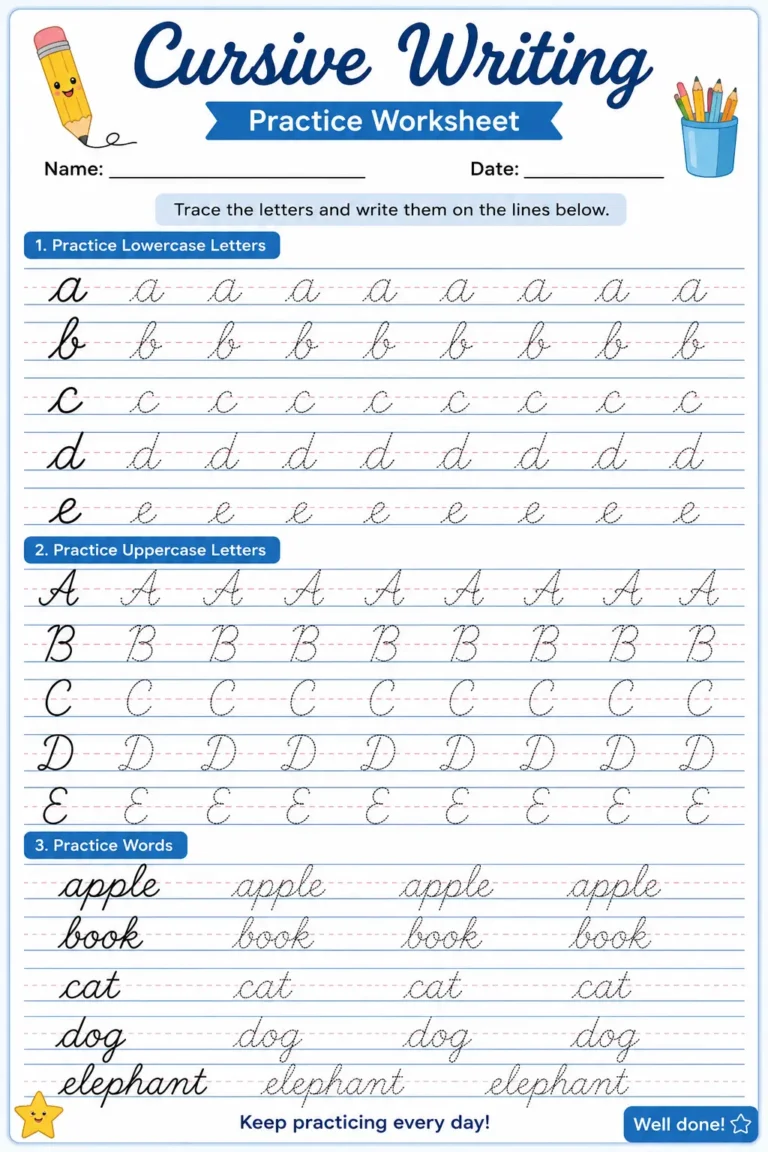
- Lowercase letters
- Both together
- Beginning sounds
- Letter formation arrows
Seeing and tracing each letter repeatedly helps create strong memory connections.
Many worksheets also include pictures that match the letter, like:
- A for Apple
- B for Bear
- C for Cat
That extra visual cue makes learning even more engaging.
4. Number Tracing Helps Early Math Skills
Writing numbers is just as important as recognizing them.
Number tracing worksheets help children:
- Identify numbers
- Practice correct number formation
- Count objects
- Improve sequencing
- Prepare for basic math
Many printable pages combine tracing with counting activities.
For example:
Trace the number 5, then color five stars.
Simple… but very effective.
5. Shape Tracing Makes Learning More Fun
Shapes are everywhere.
Tracing circles, squares, triangles, rectangles, hearts, and stars teaches children to notice patterns while improving motor control.
Shape worksheets often include:
- Matching games
- Shape hunts
- Coloring activities
- Drawing practice
Kids enjoy these because they feel creative rather than repetitive.
6. Name Tracing Builds Personal Connection
There’s something exciting about seeing your own name on a worksheet.
Personalized name tracing activities encourage children to practice writing something meaningful.
Benefits include:
- Letter familiarity
- Proper name spelling
- Confidence
- Daily handwriting practice
Parents often laminate name tracing pages so children can reuse them with dry-erase markers.
It’s a small trick… but it works surprisingly well.
7. Word Tracing Expands Vocabulary
Once children become comfortable tracing letters, they can move on to simple words.
Popular beginner words include:
- Cat
- Dog
- Sun
- Ball
- Fish
- Mom
- Dad
- Tree
Word tracing combines reading with handwriting, making both skills grow together naturally.
Many worksheets also include matching pictures, which helps reinforce vocabulary.
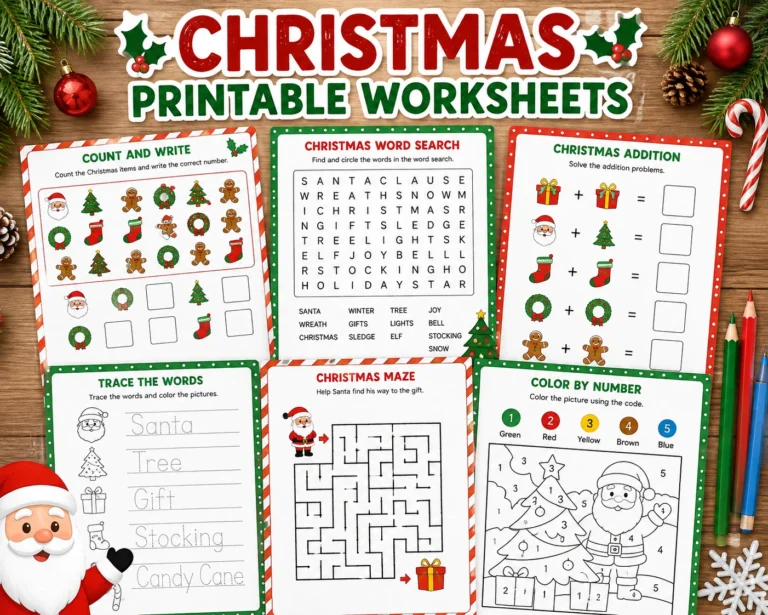
8. Themed Tracing Worksheets Keep Kids Interested
One reason children lose interest is repetition.
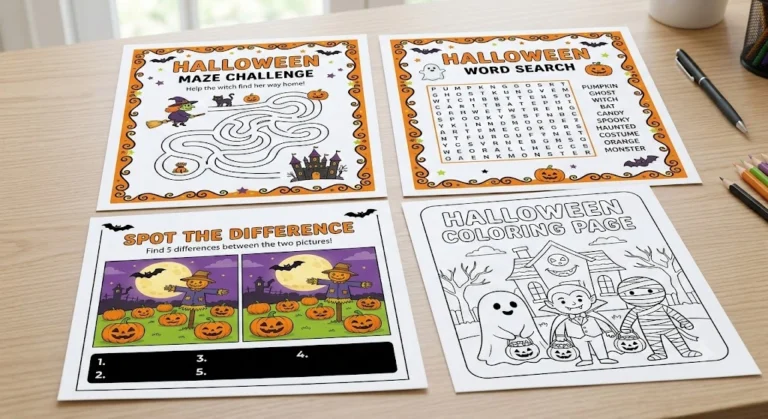
Seasonal and themed worksheets solve that problem.
Popular themes include:
- Christmas
- Halloween
- Easter
- Spring
- Summer
- Winter
- Dinosaurs
- Space
- Animals
- Farm life
- Ocean creatures
Switching themes throughout the year keeps activities fresh and exciting.
And honestly, kids rarely complain when dinosaurs or unicorns are involved.
9. Tips for Using Tracing Worksheets at Home
You don’t need a classroom to create an effective learning routine.
Try these ideas:
- Practice for 10–15 minutes daily.
- Use thick beginner pencils or crayons.
- Celebrate effort instead of perfection.
- Let children color after tracing.
- Mix tracing with games and storytelling.
- Repeat favorite worksheets several times.
- Encourage correct pencil grip gently.
Some days children may only complete one page.
That’s perfectly okay.
Learning happens through consistency, not speed.
10. Choosing the Best Free Printable Tracing Worksheets
Not every worksheet is equally helpful.
Look for printable pages that include:
- Large tracing lines
- Clear letter formation
- Age-appropriate difficulty
- Fun illustrations
- Plenty of spacing
- Simple instructions
- Black-and-white designs for easy printing
As children improve, gradually introduce smaller letters and more challenging words.
There’s no rush.
Every child learns at their own pace.
Extra Activities to Pair with Tracing Worksheets
Tracing becomes even more effective when combined with hands-on learning.
Here are a few simple ideas:
- Write letters in sand.
- Form letters with playdough.
- Trace letters using finger paint.
- Build letters with craft sticks.
- Practice writing on a whiteboard.
- Use cotton swabs for painting letters.
- Create alphabet scavenger hunts.
- Match traced letters with flashcards.
Mixing different activities keeps learning interesting while reinforcing the same skills.
Common Mistakes Parents Should Avoid
Sometimes adults unintentionally make handwriting practice stressful.
Try to avoid:
- Correcting every tiny mistake
- Comparing children with siblings
- Using worksheets that are too advanced
- Long practice sessions
- Rushing letter formation
- Focusing only on neatness
Instead, celebrate progress.
Even a slightly straighter line than yesterday is worth noticing.
Those little wins build confidence over time.
Final Thoughts
Free printable tracing worksheets are one of the simplest tools for helping young learners develop handwriting, pencil control, and early literacy skills. They provide structured practice while allowing children to learn through repetition, creativity, and play.
The best part is that they’re flexible. You can use them during homeschooling, in preschool classrooms, after school, or even during quiet time on weekends. A few minutes of tracing each day can gradually improve writing confidence without making learning feel overwhelming.
Start with basic lines, introduce letters and numbers, then slowly move toward words and names. Keep sessions short, encouraging, and enjoyable. Before long, those careful tracing strokes become independent writing—and that’s a milestone every child can be proud of.