
Teacher Helper: 12 Smart Ways to Make Every Classroom Day Easier
Teaching is one of the most rewarding professions—but let’s be honest, it can also be overwhelming. Between lesson planning, grading assignments, classroom management, communicating with parents, and supporting students with different learning needs, the to-do list never really ends.
That’s where a teacher helper comes in.
Whether you’re looking for printable classroom resources, digital planning tools, student classroom jobs, or practical teaching strategies, the right teacher helper can save valuable time while making learning more engaging. Sometimes it’s a simple checklist. Other times it’s a helpful app or a student assigned to assist during the day. Small changes often make the biggest difference.
In this guide, you’ll discover practical ideas that can help teachers stay organized, reduce stress, and create a more productive classroom.
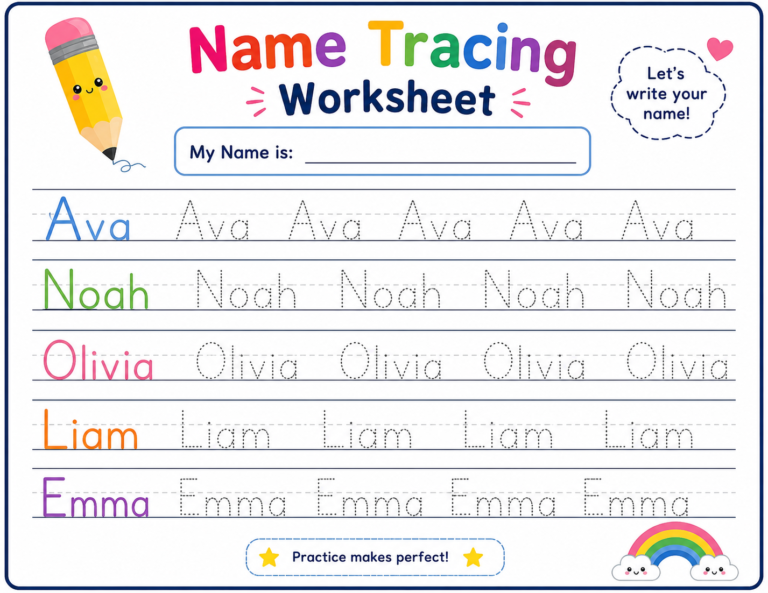
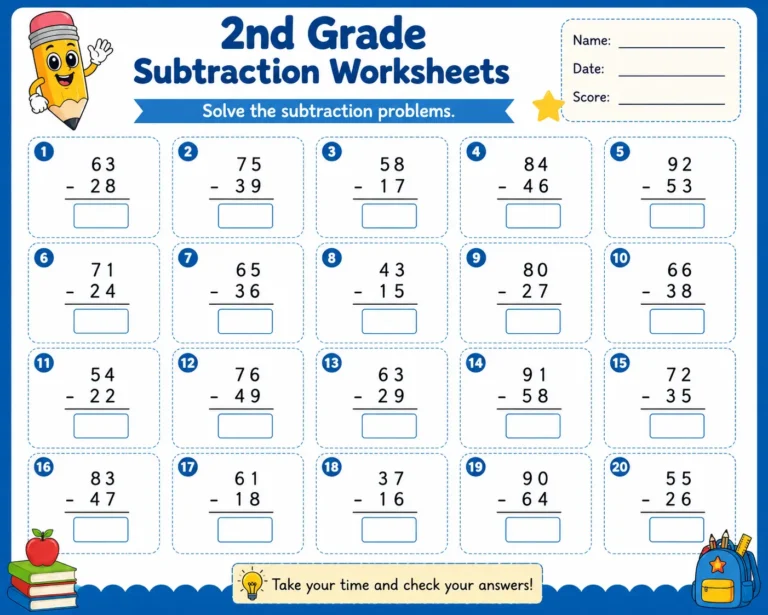
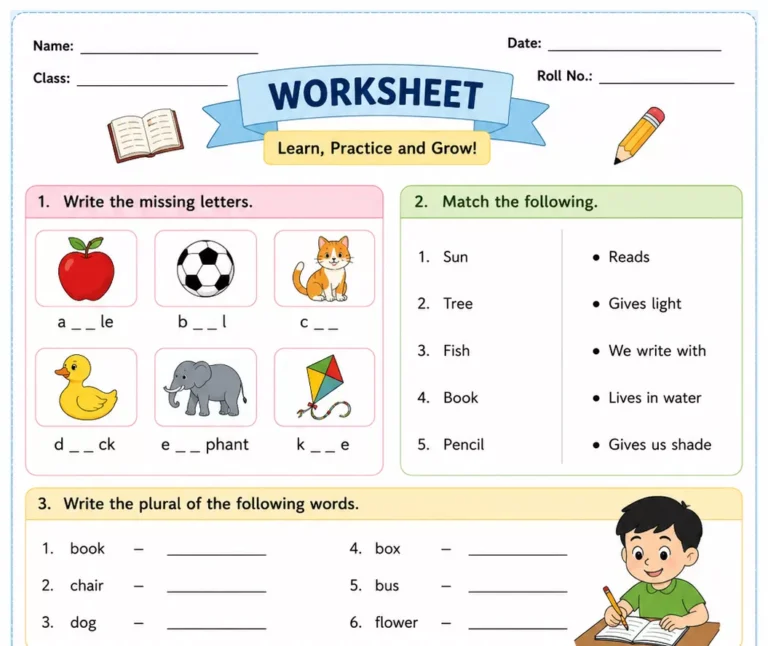
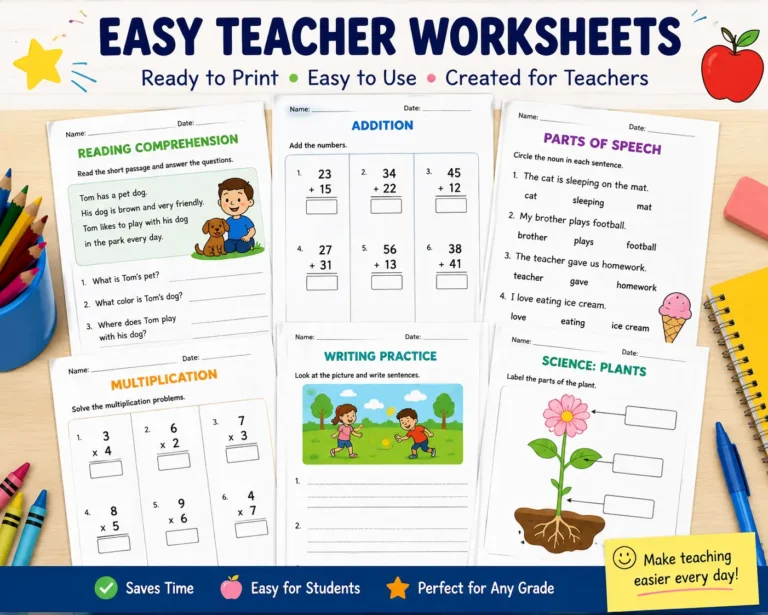
1. Use Printable Classroom Helpers
Printable resources remain one of the easiest teacher helpers available. They’re simple, affordable, and ready whenever you need them.
Popular printables include:
- Daily classroom schedules
- Attendance sheets
- Homework trackers
- Reading logs
- Behavior charts
- Reward certificates
- Lesson plan templates
- Emergency substitute plans
Having these materials prepared ahead of time means less scrambling during busy school mornings.
And honestly… every teacher appreciates anything that saves even five minutes.
2. Assign Student Teacher Helpers
Students love responsibility.
Creating classroom helper jobs gives children ownership while reducing your workload.
Some favorite classroom helper roles include:
- Line Leader
- Paper Passer
- Classroom Librarian
- Technology Assistant
- Whiteboard Cleaner
- Plant Waterer
- Attendance Helper
- Calendar Manager
- Supply Organizer
- Door Holder
Rotating these jobs weekly keeps everyone involved while teaching responsibility and teamwork.
It’s amazing how excited younger students become over simple classroom duties.
3. Organize Your Lesson Plans
One overlooked teacher helper is simply having an organized lesson planning system.
Instead of creating lessons from scratch every week, build a reusable library.
Include:
- Weekly lesson templates
- Learning objectives
- Printable activities
- Assessment ideas
- Homework options
- Extension tasks
Once you’ve taught a lesson successfully, save everything in clearly labeled folders.
Future-you will definitely appreciate it.
4. Use Digital Teacher Helper Tools
Technology has transformed classrooms.
Many digital tools now handle repetitive tasks automatically, giving teachers more time to focus on instruction.
Helpful digital teacher helpers include:
- Grade tracking software
- Classroom timers
- Assignment organizers
- Parent communication apps
- Online quiz creators
- Interactive whiteboard activities
- Attendance management tools
These resources reduce paperwork while improving organization.
And students usually enjoy the interactive experience too.
5. Create Classroom Management Systems
Good classroom management saves more time than almost anything else.
Instead of constantly repeating instructions, create visual systems students understand immediately.
Examples include:
- Noise level charts
- Morning routine posters
- Transition signals
- Classroom expectations
- Reward systems
- Behavior tracking boards
Clear expectations reduce confusion.
Less confusion means fewer interruptions.
Which means… more teaching.
6. Build Ready-to-Go Activity Bins
Every teacher experiences unexpected downtime.
A lesson finishes early.
Technology stops working.
A substitute arrives.
That’s when activity bins become the perfect teacher helper.
Fill bins with:
- Word searches
- Math puzzles
- Reading comprehension pages
- STEM challenges
- Coloring activities
- Writing prompts
- Educational games
Having emergency activities available instantly eliminates unnecessary stress.
7. Keep Supplies Organized
Lost supplies waste valuable instructional time.
Simple organization systems can make a huge difference.
Consider using:
- Color-coded bins
- Labeled storage containers
- Student supply caddies
- Individual folders
- Subject-specific baskets
- Rolling classroom carts
When students know exactly where materials belong, cleanup becomes much faster.
Even younger learners catch on surprisingly quickly.
8. Make Parent Communication Easier
Parents appreciate regular updates.
Teachers appreciate saving time.
Fortunately, both goals can happen together.
Prepare reusable communication templates for:
- Weekly newsletters
- Homework reminders
- Classroom announcements
- Progress updates
- Upcoming events
- Positive behavior notes
Instead of writing every message from scratch, simply customize the details.
It’s faster and ensures consistent communication throughout the school year.
9. Use Visual Learning Aids
Visual supports help students learn independently.
They also reduce repetitive questions during lessons.
Helpful classroom visuals include:
- Alphabet charts
- Number lines
- Vocabulary walls
- Anchor charts
- Classroom rules
- Procedure posters
- Reading strategies
- Math reference guides
Students become more confident because they can reference these tools without waiting for teacher assistance.
That independence matters.
10. Develop Simple Assessment Systems
Grading doesn’t have to consume every evening.
Quick assessment methods help teachers monitor progress efficiently.
Popular options include:
- Exit tickets
- Thumb signals
- Mini whiteboards
- Digital quizzes
- Peer reviews
- Observation checklists
- Learning journals
These strategies provide immediate feedback without creating mountains of paperwork.
Sometimes less really is more.
11. Build a Teacher Helper Resource Binder
Every classroom benefits from one central resource binder.
Include sections for:
- Emergency lesson plans
- Seating charts
- Student medical information
- Contact lists
- School procedures
- Printable worksheets
- Classroom routines
- Important passwords (stored securely if appropriate)
This binder becomes invaluable during busy weeks—or when a substitute teacher steps in unexpectedly.
Everything stays in one place.
No frantic searching.
12. Don’t Forget to Help Yourself
The best teacher helper isn’t always a printable or an app.
Sometimes it’s creating habits that protect your own energy.
Consider:
- Planning lessons in batches
- Setting grading time limits
- Preparing materials the day before
- Taking short breaks
- Asking colleagues to share resources
- Reusing successful lessons
- Saying no to unnecessary tasks
Teaching is demanding.
Trying to do absolutely everything alone isn’t sustainable.
Working smarter allows you to bring more energy into the classroom, which benefits students just as much.
Qualities of an Effective Teacher Helper
Whether you’re using classroom resources, technology, or student assistants, an effective teacher helper should:
- Save time
- Improve classroom organization
- Reduce repetitive work
- Support student independence
- Be easy to implement
- Adapt to different grade levels
- Encourage positive classroom behavior
- Make teaching more enjoyable
The simpler the system, the more likely you’ll actually keep using it throughout the year.
Tips for Choosing the Right Teacher Helper
Not every classroom needs the same tools.
When choosing resources, ask yourself:
- Does this save time?
- Will students understand it quickly?
- Can I use it repeatedly?
- Does it reduce classroom stress?
- Is it easy to organize?
- Will it improve student learning?
If the answer is yes to most of these questions, it’s probably worth adding to your teaching routine.
Final Thoughts
A great teacher helper isn’t about replacing great teaching—it’s about supporting it. From printable classroom resources and student helper jobs to digital organization tools and simple management systems, the right helpers can transform daily routines into smoother, more enjoyable experiences.
Teaching will always be busy. There will always be papers to grade, lessons to plan, and questions to answer. But with thoughtful systems in place, those challenges become much more manageable.
Start with one or two ideas from this list instead of trying everything at once. Over time, those small improvements add up, giving you more time to focus on what matters most: helping students learn, grow, and succeed every single day.