First Grade Writing Worksheets: 10 Fun Printables That Build Strong Writing Skills
Learning to write is one of the biggest milestones in first grade. It’s the stage where children move beyond simply recognizing letters and begin expressing their own ideas through words and sentences. That journey can feel exciting… but also a little challenging.
That’s where first grade writing worksheets make all the difference.
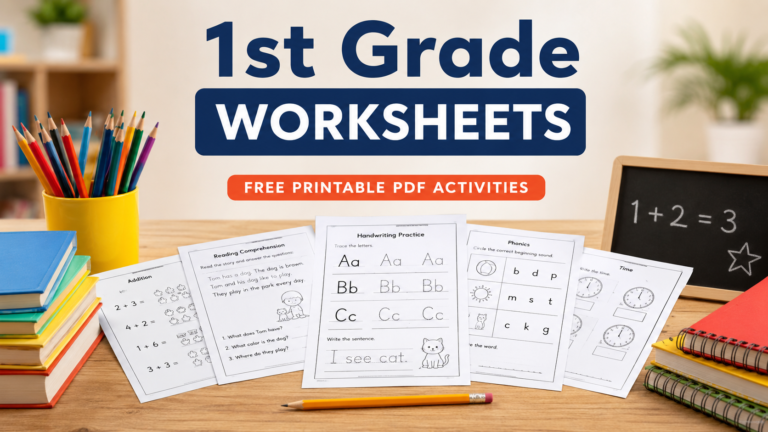
The right worksheets don’t just teach handwriting. They help children build vocabulary, understand sentence structure, improve spelling, and gain confidence as young writers. Whether you’re a parent teaching at home, a homeschool educator, or a classroom teacher, printable writing activities provide structured practice while keeping learning enjoyable.
Let’s look at the best types of first grade writing worksheets and why they work so well.
Why First Grade Writing Worksheets Matter
First graders are developing several writing skills at once. They’re learning to:
- Form uppercase and lowercase letters correctly
- Write complete sentences
- Use punctuation
- Spell common sight words
- Organize simple thoughts
- Express creativity through writing
That’s a lot for a six or seven-year-old.
Using first grade writing worksheets breaks these skills into manageable steps. Instead of feeling overwhelmed, children practice one skill at a time until writing becomes more natural.
And honestly… consistency matters more than long lessons. Even 15 minutes of writing practice each day can lead to noticeable improvement over time.
1. Alphabet Formation Worksheets
Everything starts here.
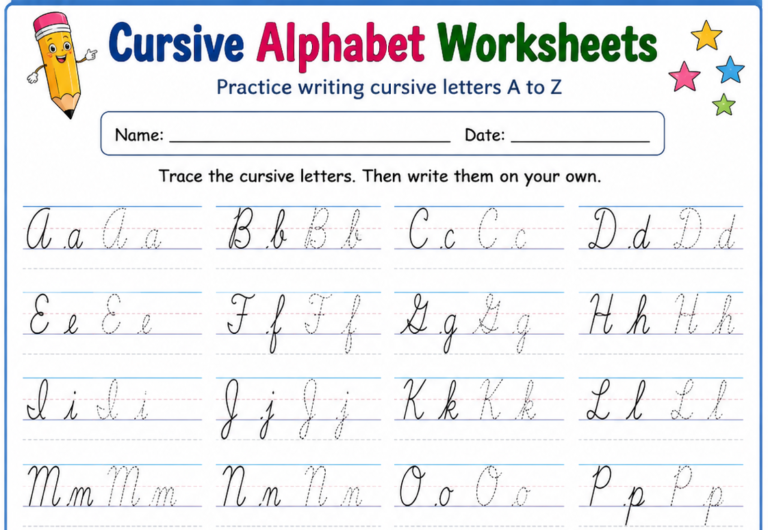
Even if children already know their letters, many still need practice forming them correctly. Alphabet writing worksheets help improve:
- Letter size
- Pencil control
- Proper stroke order
- Writing speed
- Hand muscle development
These worksheets usually include tracing followed by independent writing, allowing students to gradually gain confidence.
The goal isn’t perfection.
It’s building neat, readable handwriting.
2. Sentence Writing Worksheets
Once children know letters and simple words, it’s time to combine them.
Sentence writing worksheets encourage students to:
- Start with capital letters
- Leave spaces between words
- End with punctuation
- Read back what they’ve written
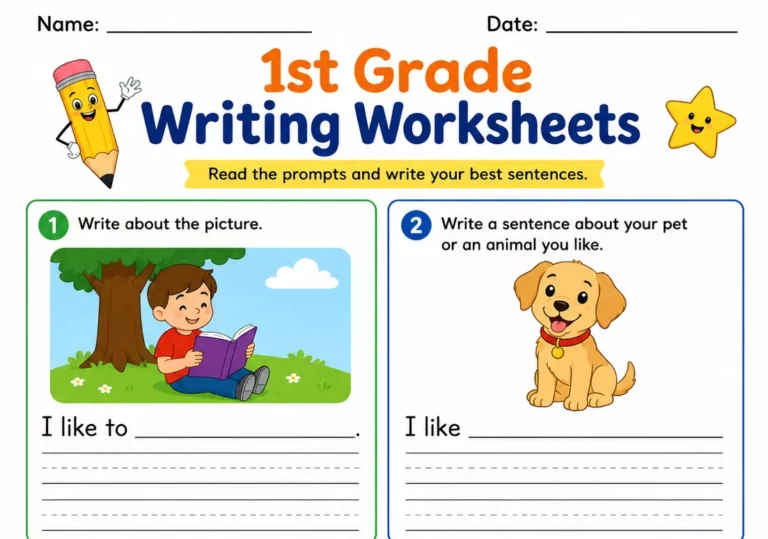
Some worksheets include picture prompts.
Others provide sentence starters like:
- I like ______.
- My pet is ______.
- Today I saw ______.
These simple activities strengthen grammar without feeling like grammar lessons.
3. Sight Word Writing Practice
Sight words are among the most frequently used words in English.
Words like:
- the
- and
- said
- was
- come
- here
- where
Children benefit from writing these repeatedly until they become automatic.
Many first grade writing worksheets combine tracing, copying, and sentence writing using sight words, helping students remember spelling while improving reading fluency.
4. Creative Writing Prompts
Not every worksheet should feel structured.
Sometimes kids simply need room to think.
Creative writing prompts encourage imagination while practicing writing mechanics.
Popular prompts include:
- If I had a dinosaur…
- My favorite animal
- What I want to be when I grow up
- My best birthday ever
- A trip to the moon
These activities often include a picture box so children can draw before writing.
And that’s actually helpful.
Drawing helps organize ideas before putting them into words.
5. Handwriting Practice Pages
Neat handwriting remains an important foundation for young learners.
Handwriting worksheets focus on:
- Proper spacing
- Uniform letter size
- Straight writing lines
- Consistent letter formation
Many printable pages include short poems, simple sentences, or fun facts that children copy neatly.
The repetition improves both writing quality and fine motor skills.
6. Story Sequencing Worksheets
Writing isn’t only about individual sentences.
Children also need to understand how stories work.
Story sequencing worksheets usually provide three or four pictures showing events in order.
Students then write about:
- What happened first
- What happened next
- What happened after that
- How the story ended
This teaches organization, logical thinking, and storytelling—all valuable writing skills.
7. Picture Writing Worksheets
Some children struggle to think of ideas.
Pictures solve that problem.
Picture writing worksheets show scenes like:
- A playground
- A farm
- The beach
- A classroom
- A birthday party
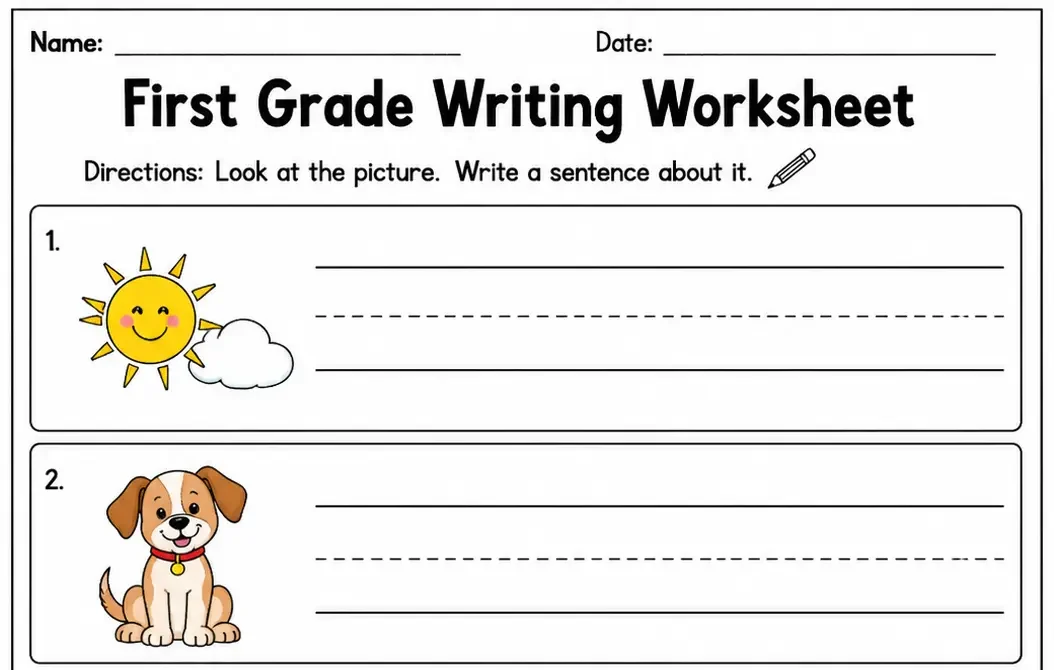
Students observe the image and write one, two, or several sentences describing what they see.
It’s amazing how much vocabulary children develop from simple visual prompts.
8. Opinion Writing Worksheets
Even first graders have opinions.
Lots of them.
Opinion writing worksheets ask children questions like:
- Which season do you like best?
- Which fruit tastes better?
- Should pets sleep inside?
- What is your favorite holiday?
Students write their opinion and explain why.
This introduces persuasive writing in a simple, age-appropriate way while encouraging critical thinking.
9. Journal Writing Pages
Daily journals encourage consistent writing habits.
Journal worksheets often include prompts such as:
- Today I learned…
- I feel happy because…
- This weekend I…
- My favorite game is…
There isn’t one correct answer.
That’s the beauty of journaling.
Children become comfortable expressing themselves without worrying about making mistakes every single sentence.
Confidence grows naturally.
10. Seasonal and Holiday Writing Worksheets
Kids love themed activities.
Seasonal first grade writing worksheets make learning feel fresh throughout the year.
Popular themes include:
- Fall leaves
- Halloween
- Thanksgiving
- Christmas
- Winter snow
- Valentine’s Day
- Spring flowers
- Easter
- Summer vacation
Teachers often use these printables to match classroom lessons, keeping students excited about writing.
Tips for Getting the Most Out of Writing Worksheets
Worksheets work best when they’re part of a balanced learning routine.
Here are a few simple tips:
- Practice writing for 10–20 minutes daily.
- Celebrate effort, not perfect handwriting.
- Encourage children to read their writing aloud.
- Let kids decorate their work with drawings.
- Mix handwriting, creative writing, and sentence practice.
- Review mistakes gently rather than correcting everything at once.
- Keep activities fun with colorful pencils or stickers.
Small routines build lasting habits.
Skills Children Develop Through Writing Worksheets
Using first grade writing worksheets regularly helps improve many essential skills beyond handwriting.
These include:
- Fine motor coordination
- Letter recognition
- Vocabulary growth
- Reading comprehension
- Sentence construction
- Grammar basics
- Punctuation
- Creative thinking
- Storytelling
- Communication skills
Many parents notice improvements in reading because writing reinforces word recognition.
Everything connects.
Choosing the Best First Grade Writing Worksheets
Not every worksheet is equally effective.
Look for printable activities that include:
- Age-appropriate vocabulary
- Clear instructions
- Large writing spaces
- Fun illustrations
- Progressive difficulty
- Sentence-building activities
- Creative prompts
- Handwriting practice
- Sight word review
The best worksheets balance structure with creativity.
Children stay engaged when lessons feel achievable—not overwhelming.
Final Thoughts
Writing is one of the most valuable skills a child will ever learn, and first grade lays the groundwork for future success. With engaging first grade writing worksheets, young learners practice handwriting, strengthen grammar, expand vocabulary, and gain the confidence to express their own ideas.
The key isn’t finding dozens of worksheets. It’s choosing quality activities and practicing regularly. A few thoughtfully designed pages each week can make a remarkable difference over the school year.
Whether your child is tracing letters, writing their first story, completing sentence exercises, or responding to fun picture prompts, every worksheet is another step toward becoming a confident, independent writer. Keep the experience positive, celebrate progress, and remember that every sentence they write today helps build stronger communication skills for tomorrow.